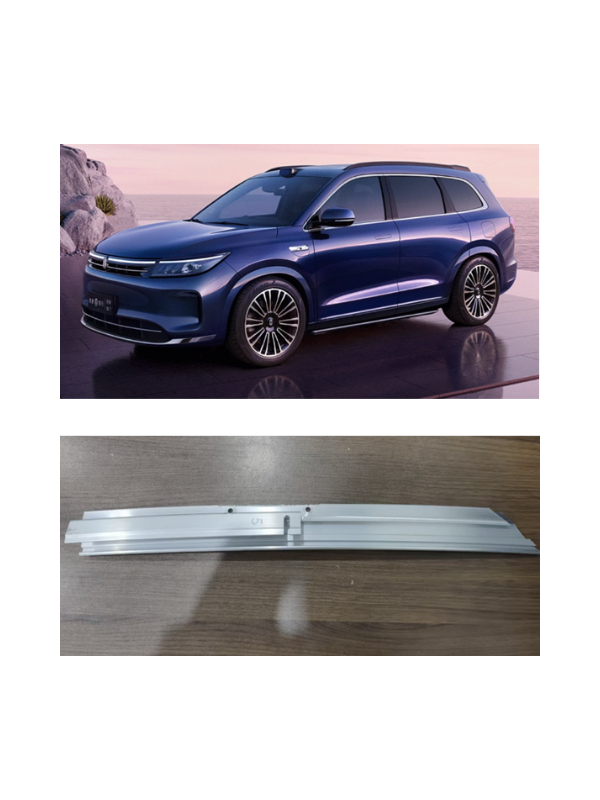
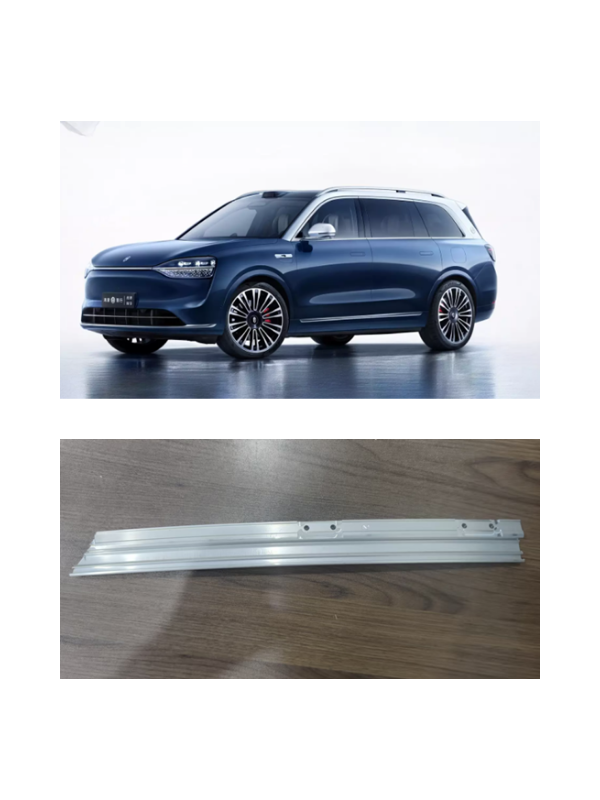
Putian Wan Tai Group partners with global OEMs to co‑develop tooling, appearance engineering and production processes across electronics, automotive and home‑furnishing categories. We move concepts into validated production by combining in‑house mold design, rapid tooling, multi‑process finishing and automated assembly.
67,000 m² integrated campus · ~1,200 staff · 150 CNC machines · 80 punch presses · 8 spraying lines · 30 injection units


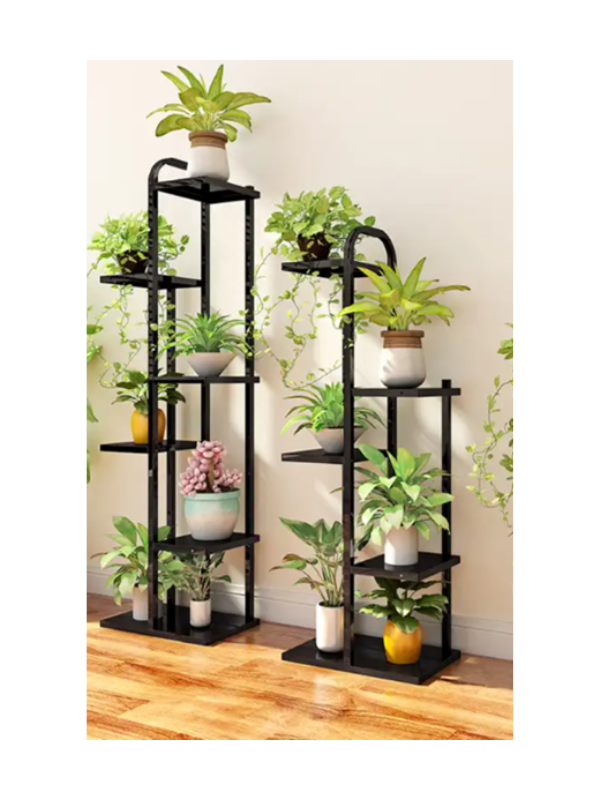
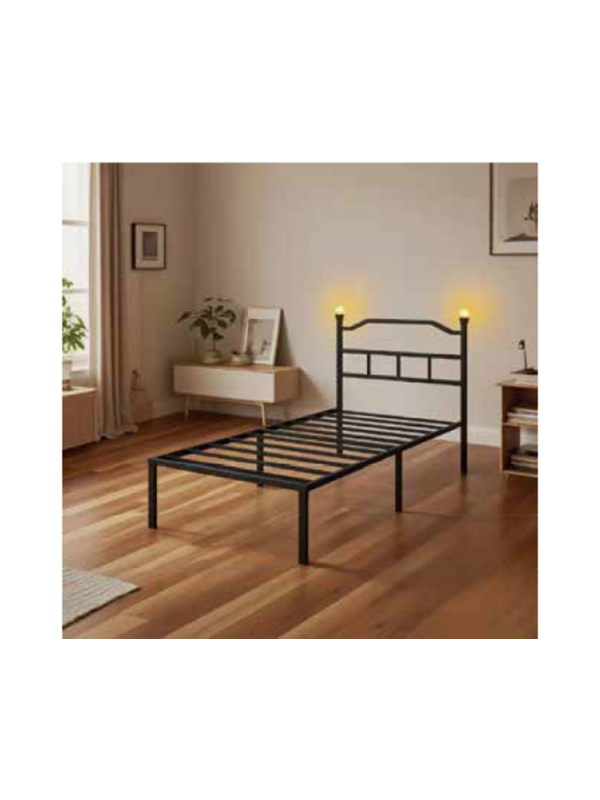
From consumer electronics to automotive and home solutions, Wan Tai Hardware delivers precision‑engineered products that combine durability, innovation, and design.
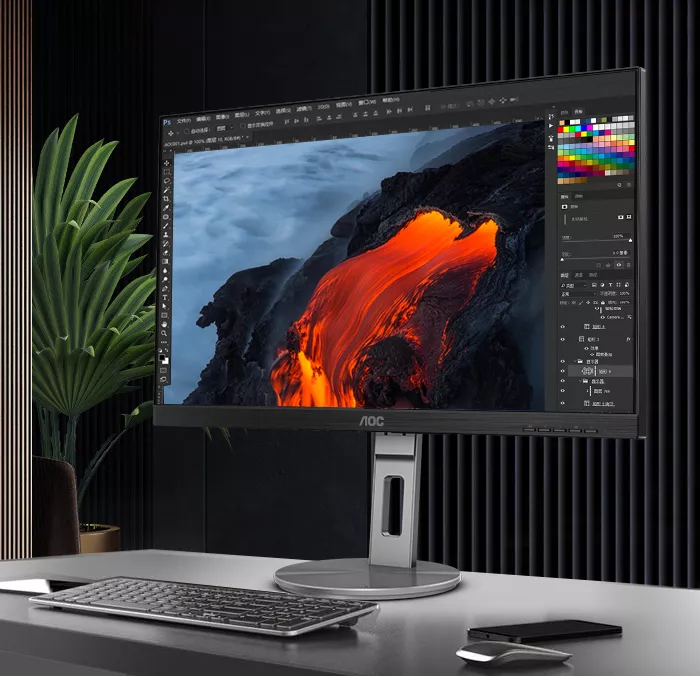
Challenge: Deliver consistent anodized finishes and tight hinge tolerances at scale.
Solution: In‑house mold design, quick‑turn tooling and automated ESOP assembly with inline torque checks.
Outcome: Prototype to pilot in 2–3 weeks; scaled to 100k+ units/year with <1% finish variance.
Assets: anodized finish close‑up; assembled stand; pilot torque test rig.
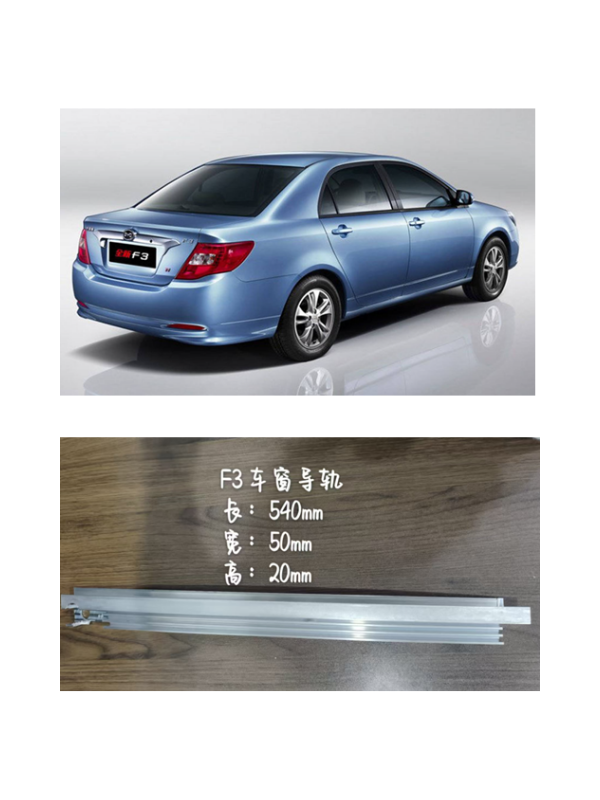
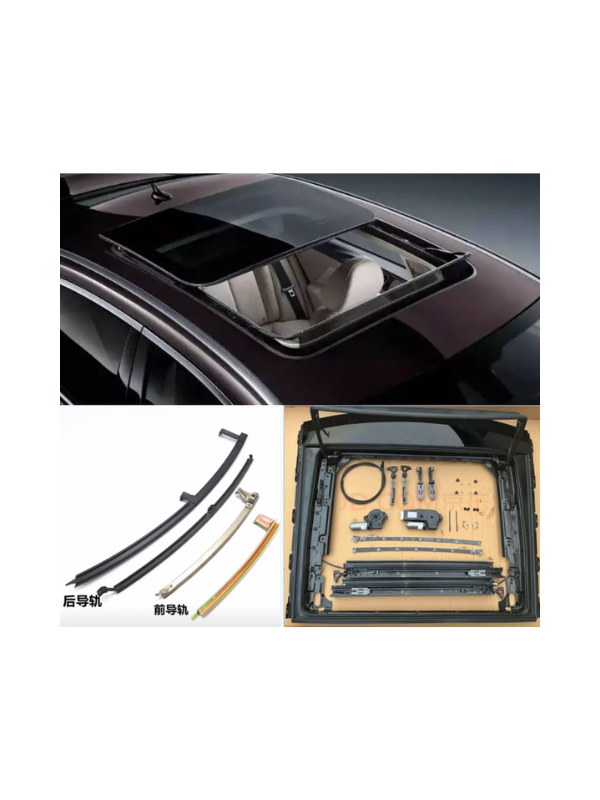
Challenge: Meet automotive OEM tolerances for sliding smoothness and corrosion resistance while minimizing part weight for EV integration.
Solution: Optimized stamping dies and progressive tooling reduced material waste; CNC finishing ensured critical dimensional tolerances; multi‑stage surface treatment (pre‑clean → conversion coating → powder coat/anodize as required) delivered corrosion protection; inline dimensional checks and life‑cycle sliding tests validated acceptance criteria.
Outcome: Pilot → mass production in ~3 months; achieved target tolerances with <0.5 mm cumulative variation and passed 100k cycle sliding life tests. Traceability implemented for each batch.
Assets: stamped track close‑up; CNC fixture photo; life‑test rig image.
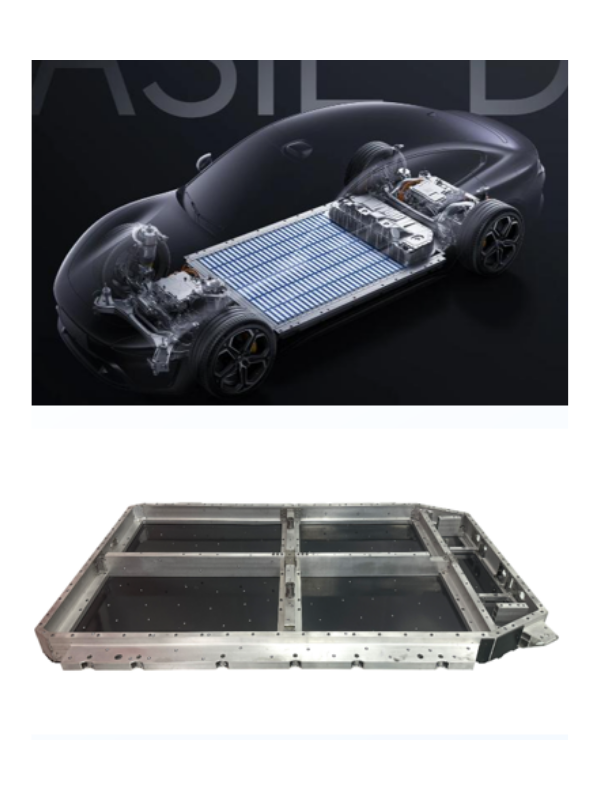
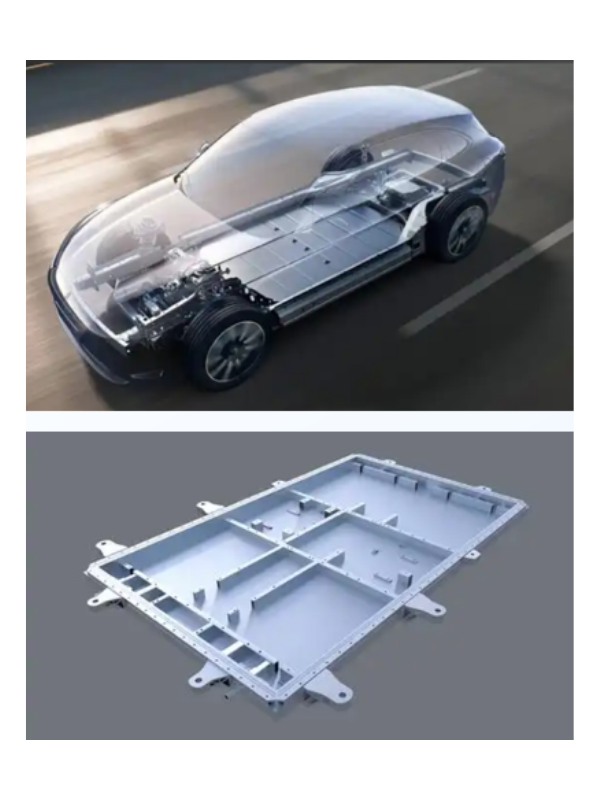
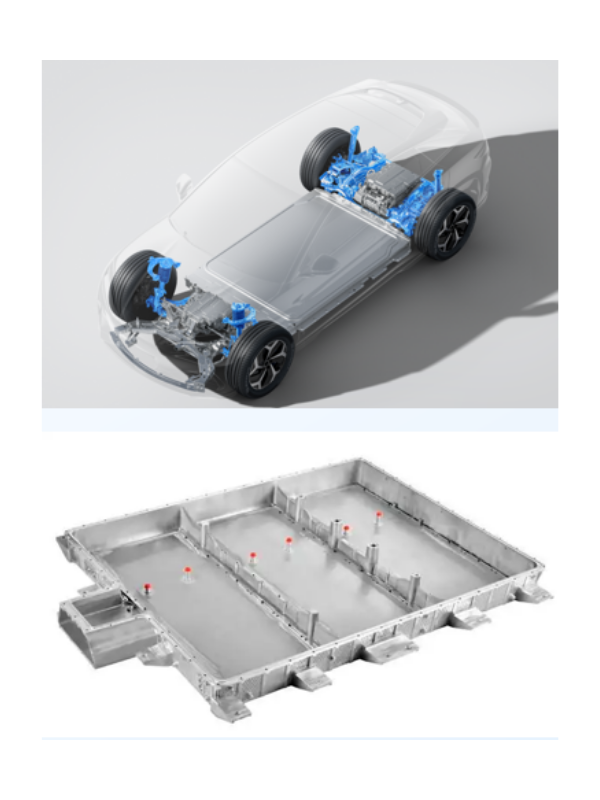
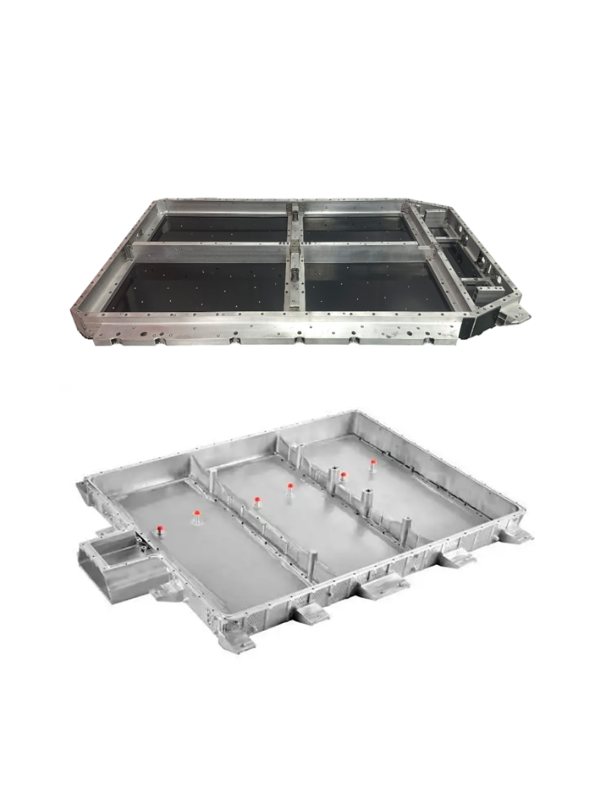
Challenge: Meet stringent safety, dimensional and traceability requirements for EV battery modules while optimizing for weight and manufacturability.
Solution: Co‑engineered tray geometry for stamping efficiency and structural stiffness; integrated welded reinforcements and CNC‑machined mounting interfaces; implemented serialized traceability and inline electrical/fit checks; life‑test rigs simulated vibration and thermal cycles to validate durability.
Outcome: Achieved OEM tolerance and traceability requirements; pilot validated in 8–12 weeks with full life‑test sign‑off; program moved to mass production with documented process control plans and serial tracking.
Assets: stamped tray with welds; CNC bracket close‑up; vibration test setup.
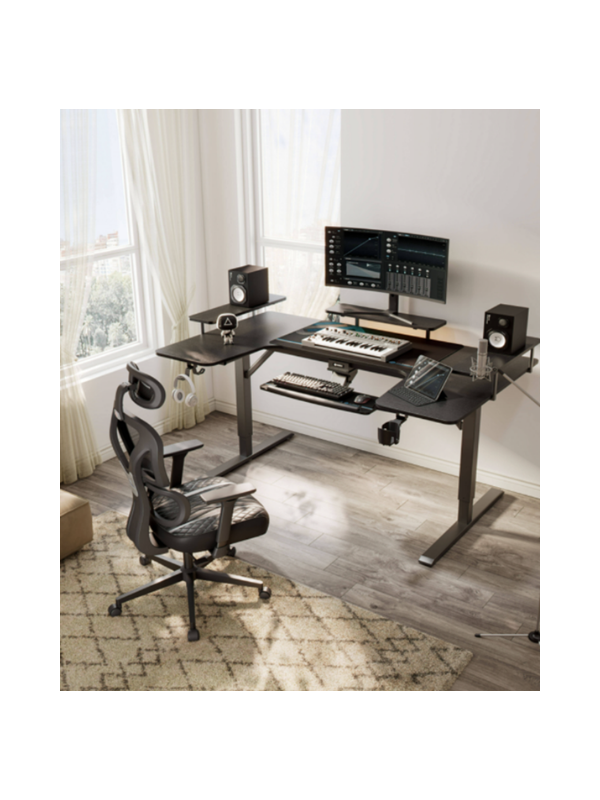
Challenge: Deliver durable mechanisms with consistent appearance across finishes while reducing tooling lead time and improving first‑pass yield for seasonal product cycles.
Solution: Consolidated tooling scope into modular die sets for faster iterations; standardized finish families (powder, wet paint, plating) with controlled color recipes; automated assembly cells with inline torque and functional checks reduced manual variance.
Outcome: Tooling lead time reduced by 30%; first‑pass yield improved significantly; finish consistency met showroom standards across SKUs. Production ramped smoothly to meet seasonal demand.
Assets: powder‑coated mechanism close‑up; stamped hinge assembly; finished product in showroom.